
Devnagari: चरक
Pronunciation: cha-ra-k
Notable Contrubution: Charak Samhita
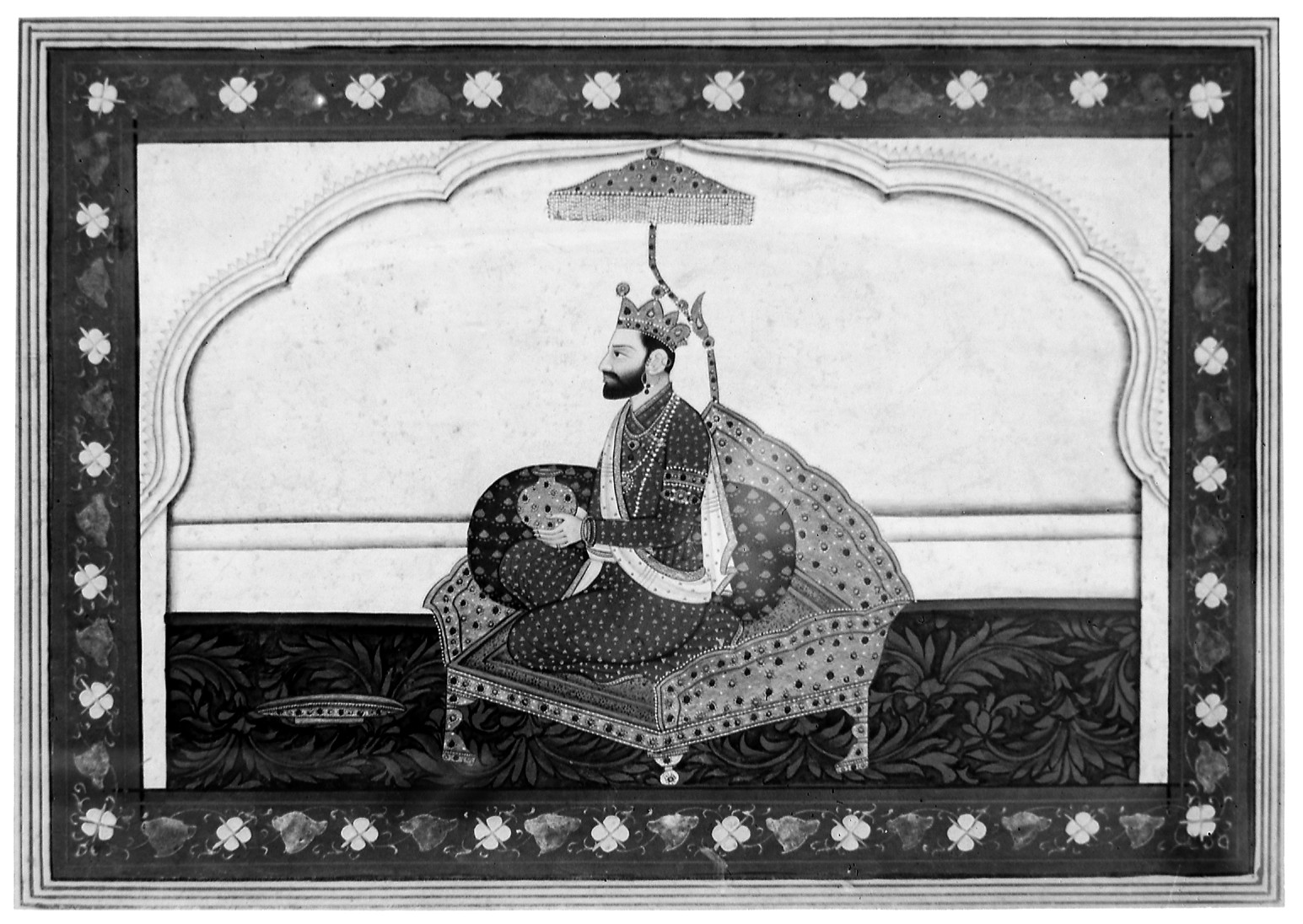
Early Life and Background
Charak, often referred to as Charak Acharya, was an esteemed physician and scholar in ancient India, credited as one of the principal contributors to Ayurveda, the traditional system of medicine that originated on the Indian subcontinent. While the exact dates of his life remain uncertain, Charak is believed to have lived around the 4th century BCE, with some scholars suggesting a timeframe between 100 BCE and 200 CE.
Contributions to Ayurveda
Charak is best known for his editorial work on the Charak Samhita, an ancient Ayurvedic text that serves as one of the foundational scriptures of classical Indian medicine. This comprehensive treatise encompasses a wide array of medical knowledge, including:
- Etiology: The study of disease causes.
- Diagnosis: Methods to identify illnesses.
- Treatment: Approaches to healing, including herbal remedies and surgical techniques.
- Ethical Considerations: Guidelines for medical practice and physician conduct.
Holistic Approach to Medicine
Charak’s philosophy emphasized a holistic understanding of health, advocating for a balance among the three doshas—vata (movement), pitta (transformation), and kapha (stability and lubrication). He proposed that disease arises from an imbalance in these doshas and that restoring harmony is crucial for healing. Treatments recommended by Charak included dietary changes, herbal medications, lifestyle modifications, and therapeutic practices such as massage and detoxification.
The Charak Samhita
The Charak Samhita was originally based on the Agnivesha Samhita, an earlier medical compendium. Charak revised and expanded this work, enhancing its content and solidifying its place in Ayurvedic literature. The text consists of eight sections covering various aspects of medicine, including:
- General Principles of Ayurveda
- Diagnosis and Prognosis
- Therapeutics
- Pharmacology
It also includes discussions on anatomy, physiology, and the use of minerals and metals in medicine. The work has been supplemented over time, with additional chapters added by later scholars like Dṛḍhabala.
Legacy and Influence
Charak’s impact on medicine and health practices has been profound. The Charak Samhita has remained a standard reference for practitioners of Ayurveda for over two millennia. It has been translated into various languages, including Arabic and Latin, influencing medical practices beyond India.
Philosophical Insights
Charak is often associated with the doctrine that “prevention is better than cure.” He believed that a physician should understand the patient’s environment and lifestyle to effectively treat diseases. His insights emphasized the importance of knowledge, continuous learning, and the interconnectedness of body and mind in the healing process.
Conclusion
Charak stands as a monumental figure in the history of medicine, particularly in Ayurveda. His holistic approach and comprehensive writings have laid the foundation for an enduring system of health that integrates physical, mental, and spiritual well-being. Today, the principles established by Charak continue to guide practitioners of Ayurveda, making his contributions as relevant now as they were in ancient times.
ROOM DETAILS
This is one of our treatment rooms Room 003 Charak. Have a wonderful time at Jungle Mahal!